
 English



 Women
Women
 Bottom Wear
 Western Wear
 Maternity Wear
 Women's Inners
 Men's
Men's
 Men Traditional Wear
 Men Western Wear
 Men Inners

Style Perception
Why Your Dress Isn’t Saying What You Think
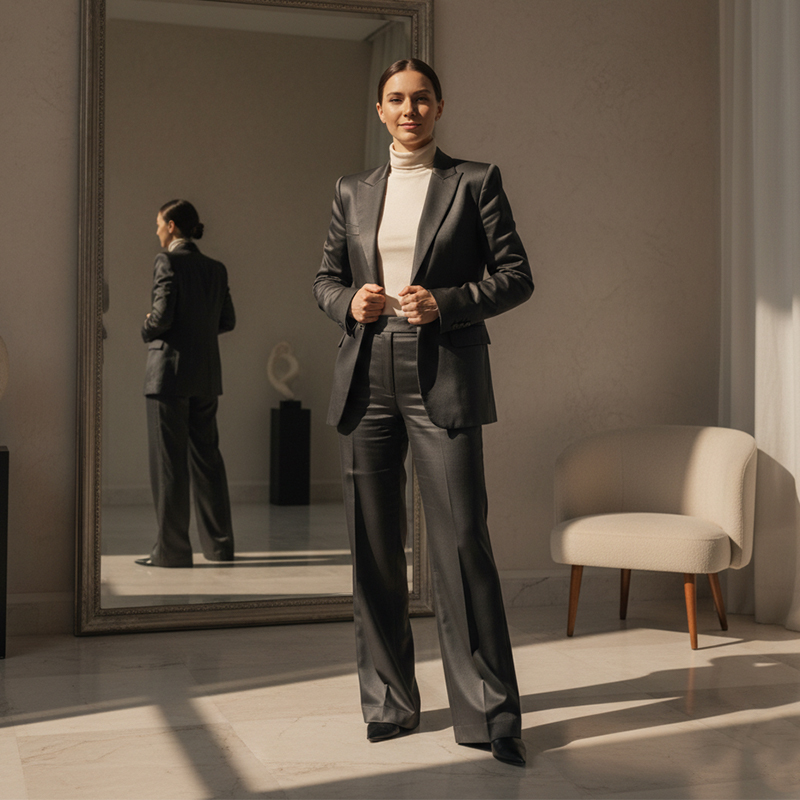
You pick a dress thinking it sends a clear message—sharp, elegant, effortless. But here’s the problem: most outfits don’t communicate what you believe they do. What you see in the mirror is not what others perceive. That gap is the outfit illusion.
For both men and women, dresses are often chosen based on intention rather than impact. A man might wear a perfectly tailored shirt and trousers, assuming it signals confidence and authority. A woman might choose a sleek, minimal dress expecting it to look refined and powerful. But clothing doesn’t operate in isolation. Fit, fabric, color, and context distort the message.
Start with fit. This is where most people get it wrong. A dress that is too tight looks uncomfortable, not stylish. Too loose, and it reads careless instead of relaxed. The illusion comes from thinking “this looks good on the hanger, so it will look good on me.” It won’t. Fit is personal. A well-fitted dress doesn’t just sit on your body—it shapes perception. It creates structure, and structure signals control.
Next is fabric. People underestimate how much material changes the entire look. A cotton dress feels casual even if the design is formal. Satin or silk elevates even a simple cut. Men often make this mistake with shirts—choosing stiff or cheap fabrics that look flat under lighting. Women face it with dresses that appear premium online but fall apart in real life. Texture matters because it interacts with light, and light defines how your outfit is seen.
Color is another trap. Wearing black doesn’t automatically make you look elegant. Wearing bright colors doesn’t guarantee attention for the right reasons. The illusion is assuming color works universally. It doesn’t. Skin tone, setting, and even time of day affect how a dress looks. A color that stands out indoors may look dull outside. A shade that feels bold might come off as loud and distracting.
Then there’s context—the factor most people ignore. A dress that looks perfect in one setting can fail completely in another. A sharp formal outfit worn casually feels out of place. A relaxed dress in a formal environment looks underdressed. The illusion here is thinking style is absolute. It’s not. It’s situational.
For men, the biggest mistake is overestimating simplicity. Minimal doesn’t mean effortless if the details are off. For women, it’s overcomplicating—adding too many elements, assuming more equals better. Both approaches break the balance.
So what actually works? Precision. A dress that fits your body, uses the right fabric, aligns with the setting, and controls color intentionally. Strip away assumptions and focus on results. Try outfits in real conditions, not just in front of a mirror. Observe how they look in movement, lighting, and different environments.
The outfit illusion exists because people dress based on how they want to feel, not how they are actually seen. If you want your dress to work, stop guessing. Start testing.
Trending Now
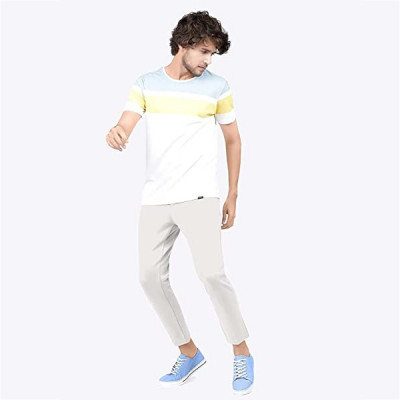
Men's Slim Fit Formal Trousers/Pant
Rs.543.00
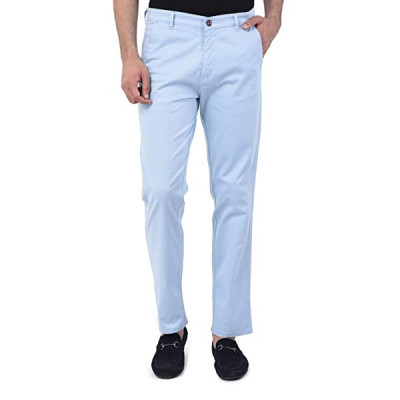
Men's Regular Fit Pants
Rs.544.00
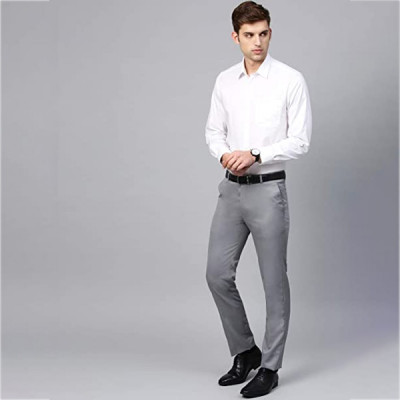
Men's Slim Fit Formal Trousers
Rs.707.00
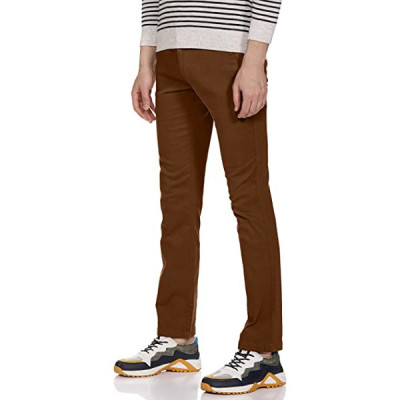
Men's Slim Casual Trouser
Rs.800.00
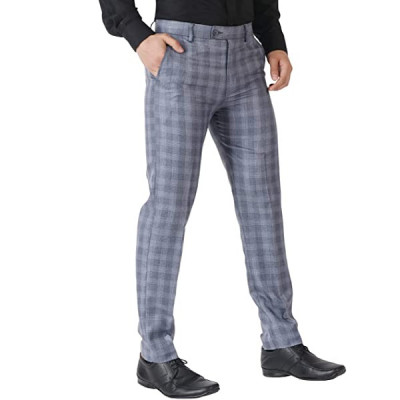
Men's Slim Fit Checkered Trouser
Rs.499.00
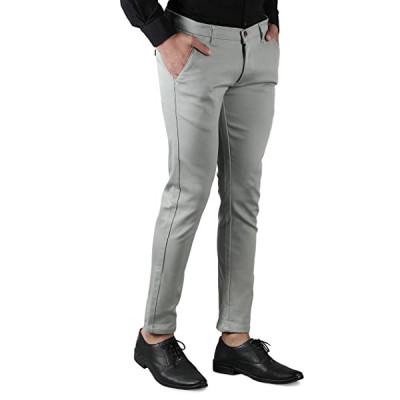
Textured Stretchable Trousers for Men
Rs.899.00
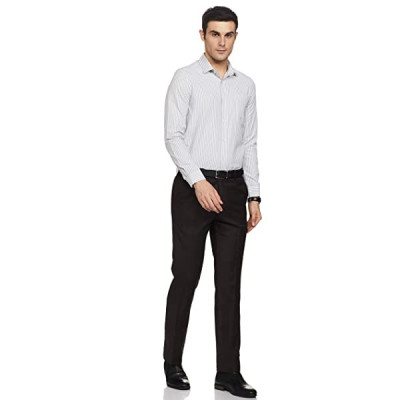
Men's Regular Pants
Rs.2,344.00